Why Start an Herb Garden as a Beginner
Growing your own herbs is one of the most satisfying and practical things you can do as a first-time gardener. Unlike vegetables that demand sprawling garden beds or fruit trees that take years to bear, herbs are forgiving, fast-growing, and genuinely useful from the moment you snip your first sprig. A small pot of basil on your windowsill can transform a weeknight pasta; a few stems of fresh mint can elevate everything from cocktails to salads.
Beyond the culinary perks, herb gardening is a low-cost entry point into growing your own food. Starter plants cost just a few dollars, many herbs thrive in containers, and the learning curve is gentle compared to most other types of gardening. You don’t need a backyard, a green thumb, or any prior experience. What you do need is a little knowledge about which herbs to start with, how much sun and water they need, and when to harvest. This guide covers all of that.
Best Herbs to Grow When You’re Just Starting Out
Not all herbs are created equal when it comes to ease of care. Some are remarkably tough and resilient — almost impossible to kill — while others require precise conditions to thrive. As a beginner, lean toward the former.
Basil is a perennial favorite because it grows quickly and rewards frequent harvesting. It loves warmth and sunlight, making it ideal for a sunny kitchen windowsill or a south-facing outdoor spot during the warmer months.
Mint is arguably the easiest herb you can grow. It spreads aggressively, so keeping it in a container is a smart move — otherwise it can take over a garden bed. It tolerates partial shade and bounces back even after rough treatment.
Chives are another near-foolproof choice. They grow in clumps, require minimal attention, and can be cut down almost to the soil and will regrow reliably. They also add a mild onion flavor that works in dozens of dishes.
Rosemary is well-suited to beginners who tend to underwater rather than overwater, as it prefers dry conditions and thrives with minimal fuss. Similarly, thyme is hardy, drought-tolerant, and pairs well with roasted meats and vegetables.
Parsley takes a bit longer to establish but is otherwise unfussy, and it’s one of the most versatile herbs in the kitchen. Cilantro grows fast but bolts quickly in heat, so it’s best started in spring or fall when temperatures are cooler.
Starting with two or three of these herbs rather than attempting a full herb garden all at once will help you build confidence and understand what each plant needs before expanding your collection.
Choosing Between Indoor and Outdoor Herb Gardens
One of the first decisions you’ll need to make is where your herb garden will actually live. Both indoor and outdoor setups have real advantages, and the right choice depends on your space, climate, and lifestyle.
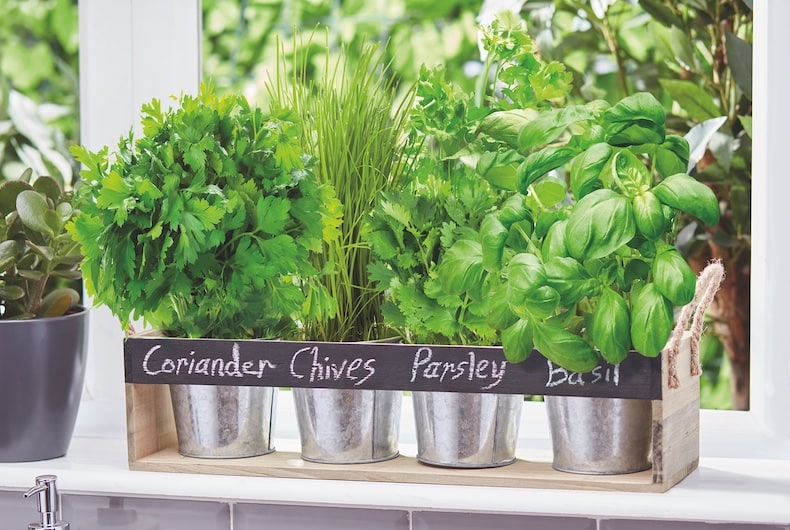
Indoor herb gardens are ideal if you live in an apartment, have limited outdoor space, or want year-round access to fresh herbs regardless of the season. A sunny windowsill — ideally one that gets at least six hours of light per day — is enough to keep basil, chives, and parsley happy. South- or west-facing windows tend to offer the most light in the Northern Hemisphere. If natural light is limited, a small grow light can make up the difference without a significant investment.
The main challenge indoors is humidity and airflow. Herbs grown inside can sometimes struggle with pests like fungus gnats or issues like powdery mildew if the air is too stagnant. Good drainage in your pots, occasional misting for moisture-loving herbs, and avoiding overwatering all help keep indoor plants healthy.
Outdoor herb gardens, whether in containers on a patio or directly in garden beds, generally produce more vigorous growth because plants have access to natural sunlight, airflow, and rainfall. Outdoor herbs also tend to be more resilient once established. The downside is that you’re subject to seasonal changes — most herbs are frost-sensitive and will need to be brought inside or replanted when temperatures drop.
A practical middle ground for many beginners is to start herbs in containers outdoors during spring and summer, then bring the pots inside when fall arrives. This gives you the best of both worlds without committing to a permanent setup.
How to Plant Your First Herb Garden Step by Step
You have two main options for starting herbs: from seed or from transplants (young plants purchased from a nursery). Seeds are cheaper but slower, while transplants let you skip the germination stage and start harvesting sooner. For absolute beginners, transplants are often the easier choice.
Here’s how to get started:
- Choose your containers or bed. If you’re growing in pots, make sure each container has drainage holes at the bottom. Most herbs do well in pots that are at least six inches deep. Terracotta pots are a classic choice because they’re breathable and help prevent overwatering, though any container with drainage will work.
- Use the right soil. Standard potting mix works well for most herbs. Avoid using soil directly from your backyard in containers, as it can compact and drain poorly. If you’re planting Mediterranean herbs like rosemary, thyme, or oregano, mixing in a little perlite or coarse sand improves drainage.
- Plant at the right depth. For transplants, dig a hole just deep enough to accommodate the root ball and set the plant at the same level it was growing in its original container. Pat the soil gently around the base to eliminate air pockets.
- Give plants room to breathe. Crowding herbs together stunts growth and invites disease. As a general rule, leave at least six to eight inches between most herb plants; larger herbs like rosemary and sage may need more space.
- Water in after planting. Give your newly planted herbs a thorough watering to help them settle in, then let the soil begin to dry out before watering again.
If you’re growing from seed, sow according to the packet instructions, keep the soil consistently moist until germination, and thin seedlings once they’re a couple of inches tall to prevent overcrowding.
Watering, Sunlight, and Basic Care Tips for Healthy Herbs
Overwatering is the single most common mistake beginners make with herbs. Most herbs — especially Mediterranean varieties like rosemary, thyme, oregano, and sage — prefer to dry out slightly between waterings. A simple test: stick your finger about an inch into the soil. If it feels dry, it’s time to water. If it still feels moist, wait another day.
Herbs that prefer consistent moisture include basil, parsley, cilantro, and mint. These should be watered more regularly, particularly during hot weather, but should never sit in waterlogged soil. Always make sure excess water can drain freely from your containers.
Sunlight is equally important. Most culinary herbs are sun-lovers and need a minimum of six hours of direct light daily to grow well. Herbs that can get by with less light — around three to four hours — include mint, parsley, chives, and cilantro. If you notice your herbs becoming leggy and pale, stretching toward the light source, that’s a sign they need more sun.
A few additional care tips worth keeping in mind:
- Pinch off flowers. When herbs begin to flower (called “bolting”), the leaves often become less flavorful. Pinch off flower buds as soon as they appear to extend the plant’s productive life.
- Feed sparingly. Herbs generally don’t need heavy feeding. Too much fertilizer actually dilutes the essential oils that give herbs their flavor. A light application of balanced liquid fertilizer once a month during the growing season is usually sufficient.
- Watch for pests. Common herb pests include aphids, spider mites, and whiteflies. Check the undersides of leaves regularly and address infestations early with a gentle spray of diluted neem oil or insecticidal soap.
Harvesting and Using Your Homegrown Herbs
One of the best things about herbs is that harvesting them actually encourages more growth. Regular trimming prevents the plant from putting all its energy into flowering and instead keeps producing fresh, flavorful leaves.
As a general rule, never remove more than one-third of the plant at a time. For leafy herbs like basil and mint, cut just above a leaf node (the point where leaves branch off the stem) — this prompts the plant to branch out rather than grow tall and spindly. For woody herbs like rosemary and thyme, snip the softer new growth at the tips rather than cutting back into old, woody stems.
Fresh herbs are best used immediately after harvesting, but if you have more than you can use at once, you have several good options for preserving them. Tender herbs like basil and parsley can be blended with a little olive oil and frozen in ice cube trays — a convenient way to have ready-to-use herb portions throughout the year. Hardy herbs like thyme, rosemary, and oregano dry well when hung in small bundles in a warm, ventilated space.
The payoff of a home herb garden goes well beyond the grocery savings. There’s something genuinely satisfying about snipping fresh herbs you’ve grown yourself and watching a simple home-cooked meal come alive with flavor. Start small, pay attention to your plants, and you’ll find the learning process as enjoyable as the harvest.
Frequently Asked Questions
What is the easiest herb to grow for a beginner?
Mint is widely considered the easiest herb for beginners. It grows vigorously in a wide range of conditions, tolerates partial shade, bounces back quickly from neglect, and can be harvested frequently. The one caveat is that mint spreads aggressively, so growing it in a container rather than directly in the ground helps keep it under control. Chives are a close second — they’re equally tough, regrow reliably after cutting, and require almost no attention once established.
Can I start an herb garden indoors without a yard?
Absolutely. Many herbs thrive indoors as long as they get enough light. A south- or west-facing windowsill that receives at least six hours of sunlight per day is ideal for growing basil, chives, parsley, and thyme inside. If natural light is limited in your space, a simple LED grow light placed a few inches above the plants can supplement what the window provides. Use containers with good drainage, avoid overwatering, and your indoor herb garden can produce fresh herbs year-round regardless of your outdoor space.
How often should I water my herb garden as a beginner?
There’s no single watering schedule that works for every herb, but a reliable method for beginners is to check the soil before watering rather than following a fixed routine. Insert your finger about an inch into the soil — if it feels dry, water thoroughly until it drains from the bottom of the pot. If it still feels moist, wait another day and check again. Mediterranean herbs like rosemary and thyme prefer to dry out between waterings, while moisture-loving herbs like basil and parsley appreciate more consistent moisture, especially in warm weather. When in doubt, underwater rather than overwater — most herbs recover from drought more easily than from root rot.
Herb Garden for Beginners: How to Grow Fresh Herbs at Home
Why Start an Herb Garden as a Beginner
Growing your own herbs is one of the most satisfying and practical things you can do as a first-time gardener. Unlike vegetables that demand sprawling garden beds or fruit trees that take years to bear, herbs are forgiving, fast-growing, and genuinely useful from the moment you snip your first sprig. A small pot of basil on your windowsill can transform a weeknight pasta; a few stems of fresh mint can elevate everything from cocktails to salads.
Beyond the culinary perks, herb gardening is a low-cost entry point into growing your own food. Starter plants cost just a few dollars, many herbs thrive in containers, and the learning curve is gentle compared to most other types of gardening. You don’t need a backyard, a green thumb, or any prior experience. What you do need is a little knowledge about which herbs to start with, how much sun and water they need, and when to harvest. This guide covers all of that.
Best Herbs to Grow When You’re Just Starting Out
Not all herbs are created equal when it comes to ease of care. Some are remarkably tough and resilient — almost impossible to kill — while others require precise conditions to thrive. As a beginner, lean toward the former.
Basil is a perennial favorite because it grows quickly and rewards frequent harvesting. It loves warmth and sunlight, making it ideal for a sunny kitchen windowsill or a south-facing outdoor spot during the warmer months.
Mint is arguably the easiest herb you can grow. It spreads aggressively, so keeping it in a container is a smart move — otherwise it can take over a garden bed. It tolerates partial shade and bounces back even after rough treatment.
Chives are another near-foolproof choice. They grow in clumps, require minimal attention, and can be cut down almost to the soil and will regrow reliably. They also add a mild onion flavor that works in dozens of dishes.
Rosemary is well-suited to beginners who tend to underwater rather than overwater, as it prefers dry conditions and thrives with minimal fuss. Similarly, thyme is hardy, drought-tolerant, and pairs well with roasted meats and vegetables.
Parsley takes a bit longer to establish but is otherwise unfussy, and it’s one of the most versatile herbs in the kitchen. Cilantro grows fast but bolts quickly in heat, so it’s best started in spring or fall when temperatures are cooler.
Starting with two or three of these herbs rather than attempting a full herb garden all at once will help you build confidence and understand what each plant needs before expanding your collection.
Choosing Between Indoor and Outdoor Herb Gardens
One of the first decisions you’ll need to make is where your herb garden will actually live. Both indoor and outdoor setups have real advantages, and the right choice depends on your space, climate, and lifestyle.
Indoor herb gardens are ideal if you live in an apartment, have limited outdoor space, or want year-round access to fresh herbs regardless of the season. A sunny windowsill — ideally one that gets at least six hours of light per day — is enough to keep basil, chives, and parsley happy. South- or west-facing windows tend to offer the most light in the Northern Hemisphere. If natural light is limited, a small grow light can make up the difference without a significant investment.
The main challenge indoors is humidity and airflow. Herbs grown inside can sometimes struggle with pests like fungus gnats or issues like powdery mildew if the air is too stagnant. Good drainage in your pots, occasional misting for moisture-loving herbs, and avoiding overwatering all help keep indoor plants healthy.
Outdoor herb gardens, whether in containers on a patio or directly in garden beds, generally produce more vigorous growth because plants have access to natural sunlight, airflow, and rainfall. Outdoor herbs also tend to be more resilient once established. The downside is that you’re subject to seasonal changes — most herbs are frost-sensitive and will need to be brought inside or replanted when temperatures drop.
A practical middle ground for many beginners is to start herbs in containers outdoors during spring and summer, then bring the pots inside when fall arrives. This gives you the best of both worlds without committing to a permanent setup.
How to Plant Your First Herb Garden Step by Step
You have two main options for starting herbs: from seed or from transplants (young plants purchased from a nursery). Seeds are cheaper but slower, while transplants let you skip the germination stage and start harvesting sooner. For absolute beginners, transplants are often the easier choice.
Here’s how to get started:
- Choose your containers or bed. If you’re growing in pots, make sure each container has drainage holes at the bottom. Most herbs do well in pots that are at least six inches deep. Terracotta pots are a classic choice because they’re breathable and help prevent overwatering, though any container with drainage will work.
- Use the right soil. Standard potting mix works well for most herbs. Avoid using soil directly from your backyard in containers, as it can compact and drain poorly. If you’re planting Mediterranean herbs like rosemary, thyme, or oregano, mixing in a little perlite or coarse sand improves drainage.
- Plant at the right depth. For transplants, dig a hole just deep enough to accommodate the root ball and set the plant at the same level it was growing in its original container. Pat the soil gently around the base to eliminate air pockets.
- Give plants room to breathe. Crowding herbs together stunts growth and invites disease. As a general rule, leave at least six to eight inches between most herb plants; larger herbs like rosemary and sage may need more space.
- Water in after planting. Give your newly planted herbs a thorough watering to help them settle in, then let the soil begin to dry out before watering again.
If you’re growing from seed, sow according to the packet instructions, keep the soil consistently moist until germination, and thin seedlings once they’re a couple of inches tall to prevent overcrowding.
Watering, Sunlight, and Basic Care Tips for Healthy Herbs
Overwatering is the single most common mistake beginners make with herbs. Most herbs — especially Mediterranean varieties like rosemary, thyme, oregano, and sage — prefer to dry out slightly between waterings. A simple test: stick your finger about an inch into the soil. If it feels dry, it’s time to water. If it still feels moist, wait another day.
Herbs that prefer consistent moisture include basil, parsley, cilantro, and mint. These should be watered more regularly, particularly during hot weather, but should never sit in waterlogged soil. Always make sure excess water can drain freely from your containers.
Sunlight is equally important. Most culinary herbs are sun-lovers and need a minimum of six hours of direct light daily to grow well. Herbs that can get by with less light — around three to four hours — include mint, parsley, chives, and cilantro. If you notice your herbs becoming leggy and pale, stretching toward the light source, that’s a sign they need more sun.
A few additional care tips worth keeping in mind:
- Pinch off flowers. When herbs begin to flower (called “bolting”), the leaves often become less flavorful. Pinch off flower buds as soon as they appear to extend the plant’s productive life.
- Feed sparingly. Herbs generally don’t need heavy feeding. Too much fertilizer actually dilutes the essential oils that give herbs their flavor. A light application of balanced liquid fertilizer once a month during the growing season is usually sufficient.
- Watch for pests. Common herb pests include aphids, spider mites, and whiteflies. Check the undersides of leaves regularly and address infestations early with a gentle spray of diluted neem oil or insecticidal soap.
Harvesting and Using Your Homegrown Herbs
One of the best things about herbs is that harvesting them actually encourages more growth. Regular trimming prevents the plant from putting all its energy into flowering and instead keeps producing fresh, flavorful leaves.
As a general rule, never remove more than one-third of the plant at a time. For leafy herbs like basil and mint, cut just above a leaf node (the point where leaves branch off the stem) — this prompts the plant to branch out rather than grow tall and spindly. For woody herbs like rosemary and thyme, snip the softer new growth at the tips rather than cutting back into old, woody stems.
Fresh herbs are best used immediately after harvesting, but if you have more than you can use at once, you have several good options for preserving them. Tender herbs like basil and parsley can be blended with a little olive oil and frozen in ice cube trays — a convenient way to have ready-to-use herb portions throughout the year. Hardy herbs like thyme, rosemary, and oregano dry well when hung in small bundles in a warm, ventilated space.
The payoff of a home herb garden goes well beyond the grocery savings. There’s something genuinely satisfying about snipping fresh herbs you’ve grown yourself and watching a simple home-cooked meal come alive with flavor. Start small, pay attention to your plants, and you’ll find the learning process as enjoyable as the harvest.
Frequently Asked Questions
What is the easiest herb to grow for a beginner?
Mint is widely considered the easiest herb for beginners. It grows vigorously in a wide range of conditions, tolerates partial shade, bounces back quickly from neglect, and can be harvested frequently. The one caveat is that mint spreads aggressively, so growing it in a container rather than directly in the ground helps keep it under control. Chives are a close second — they’re equally tough, regrow reliably after cutting, and require almost no attention once established.
Can I start an herb garden indoors without a yard?
Absolutely. Many herbs thrive indoors as long as they get enough light. A south- or west-facing windowsill that receives at least six hours of sunlight per day is ideal for growing basil, chives, parsley, and thyme inside. If natural light is limited in your space, a simple LED grow light placed a few inches above the plants can supplement what the window provides. Use containers with good drainage, avoid overwatering, and your indoor herb garden can produce fresh herbs year-round regardless of your outdoor space.
How often should I water my herb garden as a beginner?
There’s no single watering schedule that works for every herb, but a reliable method for beginners is to check the soil before watering rather than following a fixed routine. Insert your finger about an inch into the soil — if it feels dry, water thoroughly until it drains from the bottom of the pot. If it still feels moist, wait another day and check again. Mediterranean herbs like rosemary and thyme prefer to dry out between waterings, while moisture-loving herbs like basil and parsley appreciate more consistent moisture, especially in warm weather. When in doubt, underwater rather than overwater — most herbs recover from drought more easily than from root rot.